The Dutch Housing Crisis: A Brutal Reality Check for Newcomers
3 kwietnia 2026
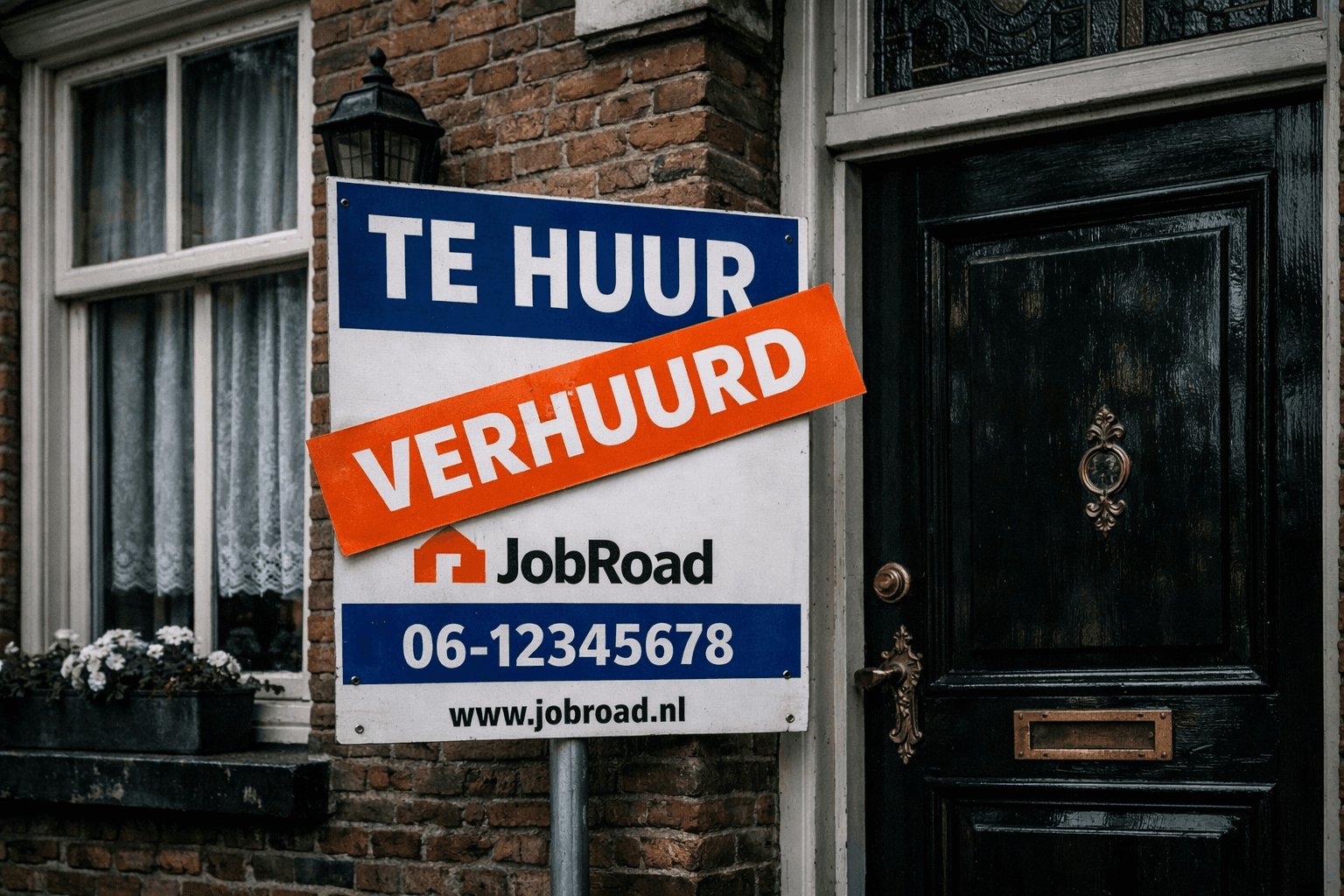
If you’re looking at the Netherlands as your next career move, you’ve likely seen the beautiful photos of canals, windmills, and modern offices. But there is a conversation happening in every Dutch household, newsroom, and HR department that you need to hear before you pack your bags: the housing crisis.
The reality is that the Netherlands is currently facing a shortage of hundreds of thousands of homes. For an international worker, this isn't just a statistic—it’s the single biggest hurdle you will face, often more challenging than the job search itself.
The Numbers Don't Lie
The housing shortage in the Netherlands is structural. Demand has far outpaced supply for years, driven by a growing population, smaller household sizes, and a slowdown in new construction.
- The Shortage: Estimates suggest a deficit of over 390,000 homes nationwide.
- The Cost: In major cities like Amsterdam, Utrecht, and Eindhoven, rent for a simple studio can easily consume 50-70% of a median salary.
- The Competition: It is not uncommon for a single apartment listing to receive 200+ inquiries within the first hour of being posted.
What This Means for You
If you are coming to the Netherlands for a temporary or entry-level role, the private rental market is almost certainly out of reach. Landlords often require a gross monthly income of 3 to 4 times the rent, and "bidding wars" on rental prices have become the new norm.
The "Registration" Trap
In the Netherlands, you must be registered at a valid address to receive your BSN (Citizen Service Number). Without a BSN, you cannot legally work, open a bank account, or get insurance. Many "cheap" rooms offered on social media do not allow registration—this is a massive red flag and can leave you in a legal limbo.
The Rise of Agency Housing
Because of this crisis, many international workers rely on housing provided by employment agencies. While this solves the immediate problem of homelessness and registration, it comes with its own set of realities:
- Shared Living: You will likely be sharing a house or apartment with other workers.
- Proximity: Agency housing is often located in smaller towns or industrial areas, not the "postcard" city centers.
- Dependency: Your housing is often tied to your employment contract. If the work ends, the housing often does too.
How to Navigate the Reality
We aren't telling you this to discourage you, but to ensure you arrive with your eyes open. Here is the honest advice for anyone making the move in 2026:
- Don't Come Without a Plan: Arriving in the Netherlands with a "we'll find a place when we get there" attitude is a recipe for disaster.
- Verify the Registration: If a landlord or agency says you cannot register at the address, walk away. It will break your ability to live and work legally.
- Budget for the "Hidden" Costs: Beyond rent, factor in municipal taxes (waste, water) which can add hundreds of Euros to your annual expenses.
- Look Beyond the "Randstad": Amsterdam and Utrecht are the hardest hit. Cities in the east or south of the country often have slightly better (though still difficult) housing prospects.
"The Dutch housing market is a game of musical chairs, and currently, there are far more people than chairs. Success requires patience, a realistic budget, and a lot of persistence."
The Netherlands remains a fantastic place to build a career, but the "golden land" image needs to be balanced with the logistical reality of 2026. Understanding the housing situation isn't just helpful—it's essential for your survival and success here.