The Future of Temporary Employment: Why 'Human-Centric' Beats 'Algorithm-Driven'
8 kwietnia 2026
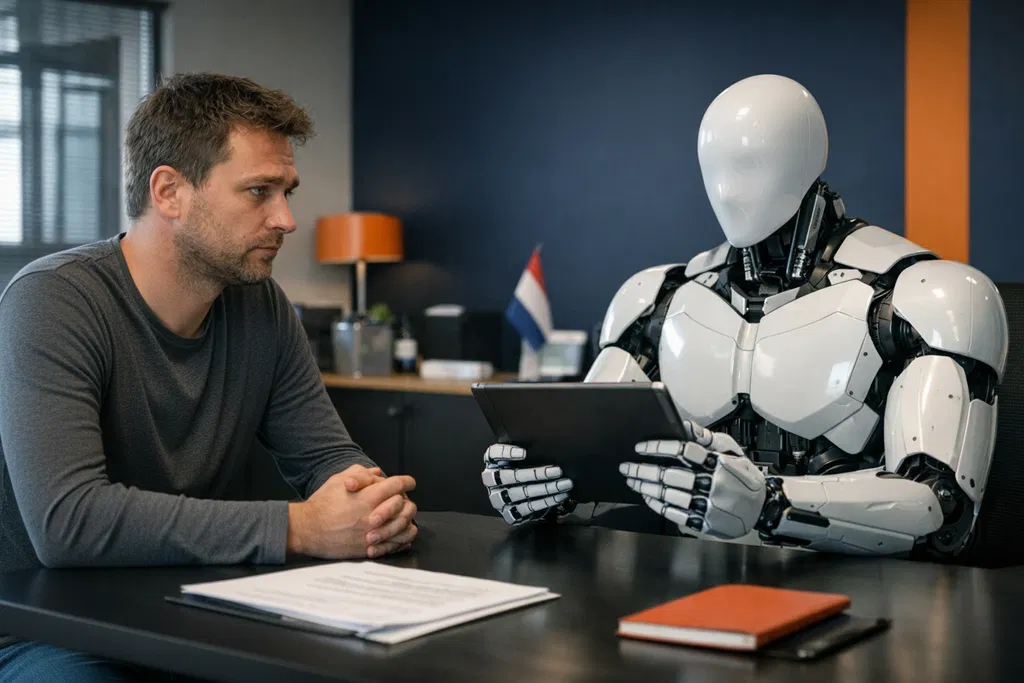
The recruitment industry is currently obsessed with one thing: automation. From AI-powered CV screening to "black-box" matching algorithms, the promise is always the same—faster, cheaper, and more efficient placements.
But at Jobroad, we’ve seen the reality on the ground. In the high-stakes, high-volume world of Dutch temporary employment, an algorithm can tell you if a candidate has a forklift license, but it can’t tell you if they’ll actually show up for the 6:00 AM shift in Tilburg when it’s raining.
Here is the "real-talk" on why the future of recruitment isn't just digital—it’s human-centric.
The Algorithm Trap
Algorithms are built on data, but data is often a poor reflection of human reliability. A candidate might have a "perfect" digital profile, but be completely unfit for a specific organization because of thing that elude parametrization. Conversely, a candidate with a messy CV or even a history of "Ghosting" previous assignments might be the most hardworking, reliable person you’ve ever met under the right circumstances—if only someone took the time to talk to them.
When we rely solely on algorithms, we risk:
Missing the "Diamond in the Rough": Overlooking great workers who don't know how to optimize their CV for a machine.
Ignoring Cultural Fit: A machine doesn't understand the "Doe Maar Normaal" philosophy or how a specific team dynamic works in a busy warehouse.
Losing Trust: Candidates and clients alike feel like numbers in a spreadsheet rather than partners in a business.
AI-Augmented, Not AI-Driven
Don't get us wrong—we aren't against technology. At Jobroad, we use modern tools to streamline our operations. But there is a critical difference between being AI-driven and AI-augmented.
| Feature | Algorithm-Driven | Human-Centric (AI-Augmented) |
|---|---|---|
| Screening | Rejects based on keywords. | Uses AI to sort, but humans to review context. |
| Matching | Based on rigid data points. | Based on personality, reliability, and client needs. |
| Communication | Automated chatbots and templates. | Real conversations and personalized support. |
| Problem Solving | "Computer says no." | Creative solutions for housing, transport, and shifts. |
Technology should be the engine that handles the paperwork, but human insight must always be the driver. AI can help us find 100 candidates in seconds, but it takes a human recruiter to know which 10 are the right fit for a specific client’s culture.
The Power of Human Connection
In the blue-collar sector, recruitment is a "people business" in its purest form. Our candidates are often moving countries, navigating a housing crisis, and starting new lives. A chatbot can't offer empathy. An algorithm can't provide the reassurance a newcomer needs when they’re struggling with cross-cultural integration.
When a recruiter builds a real relationship with a candidate, they create accountability. A worker is far more likely to show up and perform well when they know there is a real person at Jobroad who cares about their success and is counting on them.
Conclusion
The future of temporary employment isn't about replacing humans with machines; it’s about using machines to give humans more time to be... well, human.
By automating the "boring stuff"—the data entry, the initial sorting, the scheduling—we free up our recruiters to do what they do best: listen, understand, and build trust. In a market as competitive as the Netherlands, that human connection isn't just a "nice-to-have"—it’s your greatest competitive advantage.
We’re betting on people. Because at the end of the day, a job isn't just a data point—it’s a life.