Your First Dutch Winter: A Practical Survival Guide for New Workers
3 November 2026
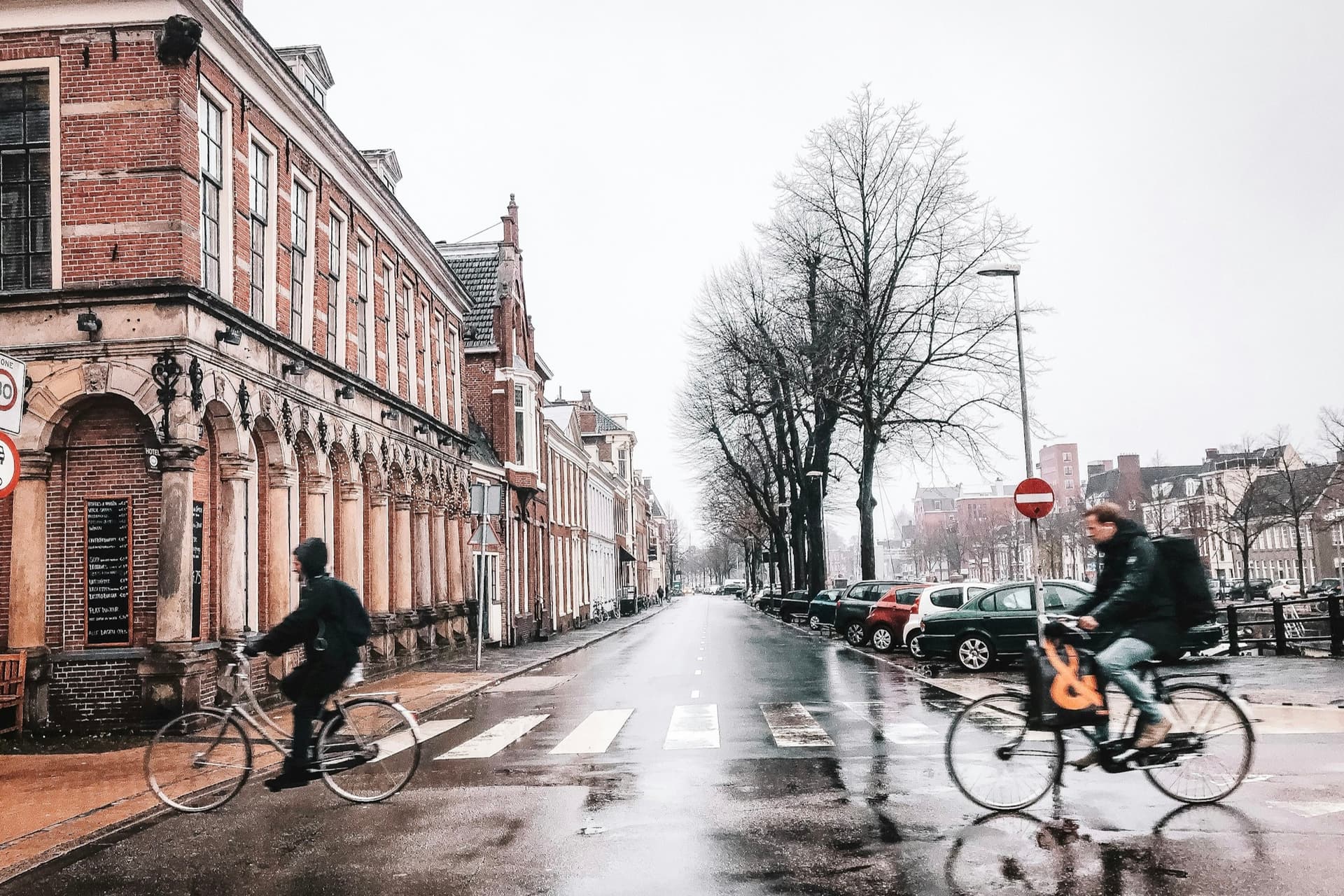
The Dutch winter is rarely dramatic. It is mostly grey, wet, windy and dark at the wrong times of day. Nobody warns you about that part.
From November to February you will often cycle to work in the dark and cycle home in the dark again. The sun comes up late and goes down early: around the shortest day, sunrise in the middle of the country is at about 8:45 and sunset at about 16:30.
None of this is hard once you know the rules. Here is what we wish every newcomer knew in week one.
Your bike in the dark: lights are not optional
In the Netherlands, you must have your bike lights on at dusk, in the dark, and when visibility is poor, for example in heavy rain or fog. The rules are simple:
- Front light: white or yellow.
- Rear light: red.
- No flashing. Lights must shine steadily, not blink.
- Loose lights are allowed, on the bike or on your back or chest. Not on your head, arms or legs.
- Reflectors: a red one at the back (not a triangle), white or yellow ones on the wheels or tyres, and yellow reflectors on the pedals.
Riding without proper lights when you need them costs €75 in 2026. Cycling with your phone in your hand costs €170. Good lights cost less than either. Keep spares in your bag: batteries always die on the darkest evening of the month.
Rain, wind and the famous headwind
You will get wet. Everyone does. The Dutch answer is not to stay home but to dress for it:
- Rain trousers and a rain jacket, or a rain poncho made for cycling.
- Mudguards on your bike, if it has none.
- A dry change of socks in your locker or bag.
And yes, headwind is real. On a windy day your usual ride takes noticeably longer, and somehow the wind is against you both ways. Leave earlier.
Dress for your workplace, not for the weather outside
The temperature at work can be completely different from the street.
Cold warehouses and freezers. Wear thin layers you can add and remove: a base layer that keeps sweat away from your skin, a warm middle layer, and a top layer that blocks wind. Warm socks and good gloves matter more than you think. Dutch rules say employers must take measures to prevent health damage from cold work, including in cold stores and freezers, so ask on your first day what protective clothing is provided.
Greenhouses. Many greenhouses are warm and humid even in January. Wear light layers under your winter jacket, so you can strip down at work and wrap up again for the ride home. A sweaty shirt on a windy bike ride is how a winter cold begins.
Short days: look after yourself
In winter, the sun in the Netherlands is too low for your skin to make vitamin D, according to the Voedingscentrum (the Dutch nutrition centre).
The Voedingscentrum advises 10 micrograms of extra vitamin D a day for adults up to 69 who are not outside enough during the day, and for people with a dark or tinted skin. If you work long shifts indoors or work nights, it is worth reading their advice and asking a pharmacist what fits you.
On your days off, go outside while it is light, even for a short walk. And talk to people: a first winter far from home can feel long, and that is normal.
Storms and weather warnings: what the colours mean
The Dutch weather service, KNMI, warns about dangerous weather with three colours. Warnings can come up to 48 hours before the weather arrives.
- Code yellow: there is a chance of dangerous weather. Be extra careful, especially when travelling.
- Code orange: a high chance of dangerous weather with a big impact, possibly damage, injuries or a lot of disruption. Prepare, and think twice before cycling in strong gusts.
- Code red: a weather alarm. Extreme weather with a big impact on society. Follow official advice closely.
Install the KNMI app: it shows warnings for where you are and can send you notifications. If a storm makes your trip to work unsafe, call your shift leader or agency contact before your shift starts, not after.
Your shared house: heat it, and let it breathe
When it is cold, the instinct is to close every vent. In a house full of people cooking, showering and drying clothes, that is how you get wet windows and mould on the walls.
What Dutch advice says:
- Keep the ventilation grilles open, always. Even in winter.
- Never switch off mechanical ventilation, if your house has it.
- Use the cooker hood every time you cook, and turn the ventilation to its highest setting while cooking or showering.
- After a shower, keep the bathroom door closed and wipe the walls and floor with a squeegee.
Wet laundry also puts a lot of water into the air, so dry it in a room that is well ventilated. If mould appears anyway, tell your landlord or housing contact early. It is easier to fix when it is small.
Your winter checklist
- Front and rear lights, plus spare batteries or a charger
- Reflectors on the wheels, pedals and back of your bike
- Rain jacket, rain trousers, gloves and a warm hat
- Layers for work, and a dry pair of socks
- The KNMI app on your phone
- Vitamin D, if the Voedingscentrum advice applies to you
- Open ventilation grilles at home
Winter here is grey, but it ends. By March the evenings get lighter, and you will be the one telling the next newcomer about the headwind.
Fine amounts are the 2026 amounts. Rules can change, and the police decide in each case whether to fine or warn.